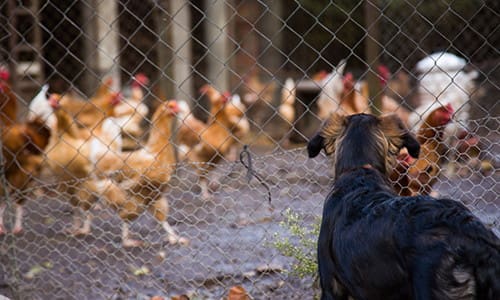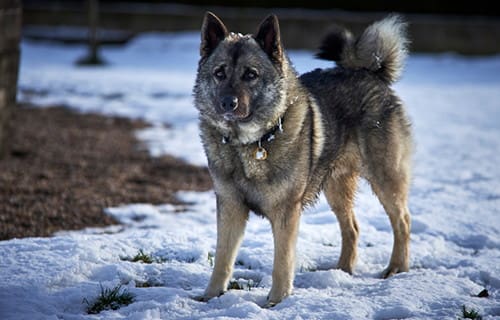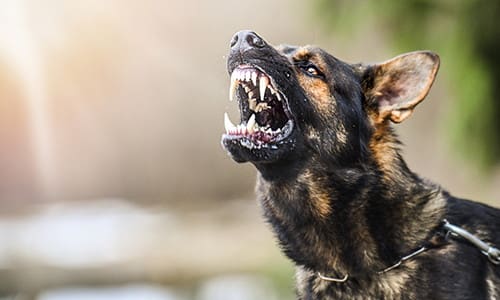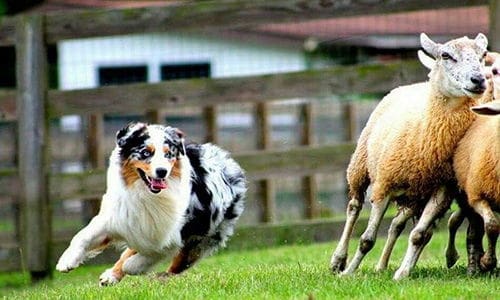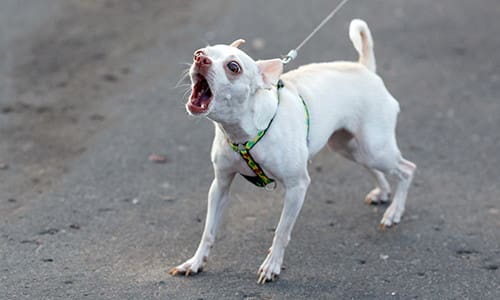


There’s a description of dogs that protect livestock. They’re called “guardian” dogs. They protect poultry like chickens and ducks and even more timid livestock like sheep, goats and suckling pigs. The primary predators fall in a range from coyotes to foxes to raccoons and even wolves. The dog’s bond with the livestock and deter predators and defend their flocks. The question is, are there alternative guardians? The answer is yes, with some conditions.
Alternative Guardians
The definition of a guardian is an animal that will confront a predator or at least pose an ominous threat to an attack. Some of these guardians can also offer a degree of security around a homestead. Not so much because they have the intimidating bark or the teeth of a dog, but because they make a lot of noise when an intruder approaches. They won’t necessarily attack, but you’ll sure know something is approaching. Here are the animals often identified as alternative guardians to dogs.
Donkeys

Donkeys come in all sizes, down to miniature donkeys. It’s recommended that a guardian donkey be standard size or larger. All have highly territorial instincts and are naturally hostile to foxes, coyotes, bobcats and even stray dogs.
Donkeys bray loudly when threatened and even launch aggressive attacks using both their hooves and teeth to every part of an intruder’s body.
Female or castrated male donkeys are recommended, because an uncastrated male donkey may be aggressive towards the livestock they’re supposed to protect. The ''gelded'' or castrated male donkeys are typically recommended as the best guardians.
It’s often recommended that people stay away when a donkey is agitated or charging. Let it calm down a bit if it seems to be agitated. But there are no guarantees. Donkeys vary and some will ignore everything around them, while others will see everything as a threat.
The only downside to a donkey is that they require the same care and attention as a horse.
Mules

Mules are larger than donkeys and have the same instincts when it comes to predators. They can also serve a dual purpose on a homestead, pulling a cart or you can even ride them. A gelded mule is best, and they also have the same level of maintenance as a horse.
Goose

A single, solitary goose in the farmyard makes a surprisingly effective guardian. Their honking will alert you to something unusual going on around your chickens or sheep and they will fearlessly attack. Unfortunately, their attack is without teeth, and they won’t survive against a pack of coyotes. However, they can intimidate a fox or raccoon and their charge at anything that approaches will often be enough to deter the invader.
The reason you want a solitary goose is so they will bond with the other farm animals. If you have more than one goose they’ll bond with their kind and not feel as protective or territorial of other animals.
They’re easy to raise and feed and relatively inexpensive compared to donkeys. Speaking of early warnings, there’s actually a fascinating way to read what’s going on around you - without needing to see it yourself. It’s a skill known as recognizing bird language.
Birds give off specific alarms when they spot predators, both animal and human. Once you know how to recognize those signals, it’s like having a silent lookout system in the trees, perched all around your property. I never really thought much about bird calls until I started learning what they meant. Now, I can usually tell when something’s stirring nearby long before I see it.
Alpacas

Alpacas make good companions to a flock of chickens or sheep, and they will not only alert you to the presence of a predator, but more aggressive Alpacas will chase them away. They’re highly alert and they’re best used as a deterrent against smaller predators, like foxes and raccoons. Their relatively large size also serves as a deterrent to larger predators, but even an Alpaca would be challenged by a pack of coyotes. Then again, so would most dogs.
Here again, the recommendation is that the Alpaca should be gelded or castrated to diminish their aggressiveness. They’re also a new maintenance challenge in the farmyard requiring care, although most Alpaca owners feel they’re relatively easy to care for.
It’s also recommended that you have two Alpacas. They’re herd animals and the two will often work together to deter predators.
.png)
Llamas

Llamas are cousins of Alpacas, only larger.
The same recommendation applies to gelding or castration and, again, it’s recommended that you have at least two.
The same recommendation applies to gelding or castration and, again, it’s recommended that you have at least two.
Llamas are larger than Alpacas and some homesteaders say they are better than Alpacas as guardians.
A lot depends on the size of your holding pen and homestead.
What’s always recommended with both Llamas and Alpacas is that you never put a new Alpaca or Llama directly into the livestock pen.
Put them next to your livestock in a separate pen for 2 weeks so the animals can become accustomed to each other. After that, introduce the Llama or Alpaca to the pen and carefully observe how they interact with your livestock. Hopefully, it’s a peaceful transition. If not, put them back in the separate pen for another week.
Which One is Best?
Like so many things, that depends on your situation and the kinds of predators you have in your area. If your primary challenge is from smaller predators like racoons and foxes, a goose could do the trick. If the threat is defined by larger predators like coyotes, you’ll probably need a donkey or a mule. As a middle ground, you could think of Llamas and Alpacas.
I also recommend you plant some specific plants in your garden, as part of your anti-predator strategy. Certain plants can play a role in deterring predators, by making your space less ''inviting'' to them. For example, lavender has a strong scent that might discourage animals from getting too close, while yarrow and feverfew give off odors that could keep smaller pests at bay.
Even calendula and California poppies, known more for attracting beneficial insects, might add an extra layer of deterrence with their fragrances. While they aren’t a replacement for a guard animal, these plants can work well alongside other strategies to create a more secure environment for your homestead.
If you're interested in incorporating these plants into your setup, there’s a kit that includes all of these seeds, along with a guide to help you use them effectively. The guide walks you through planting, maintaining, and leveraging these flowers to keep predators at bay, giving you a simple, natural way to boost your homestead’s defense.
What’s Wrong with a Dog?

Nothing. In fact, most homesteads rely on dogs not only to guard livestock, but for home security. The challenge for a dog, however, is that most don’t like being relegated to a pen or chicken run for the rest of their lives.
However, if the dog can roam around an enclosure surrounding the pens, it will give it at least some sense of freedom while it guards the farm and homestead.
One of the reasons some homesteaders look for dog alternatives is that some dogs end up eating the chickens. It varies.
If you would rather have a dog as a guardian, here are the dog breeds generally recommended as guardians on a homestead: Great Pyrenees, Anatolian Shepherds, Akbash, Maremma.
It Works
If you’re considering an alternative to a dog for a guardian animal, it makes some sense to get on the Internet or YouTube and learn more. There are pros and cons to each, but if your greatest challenge is predators attacking your livestock, it’s worth finding the best solution.


.png)